
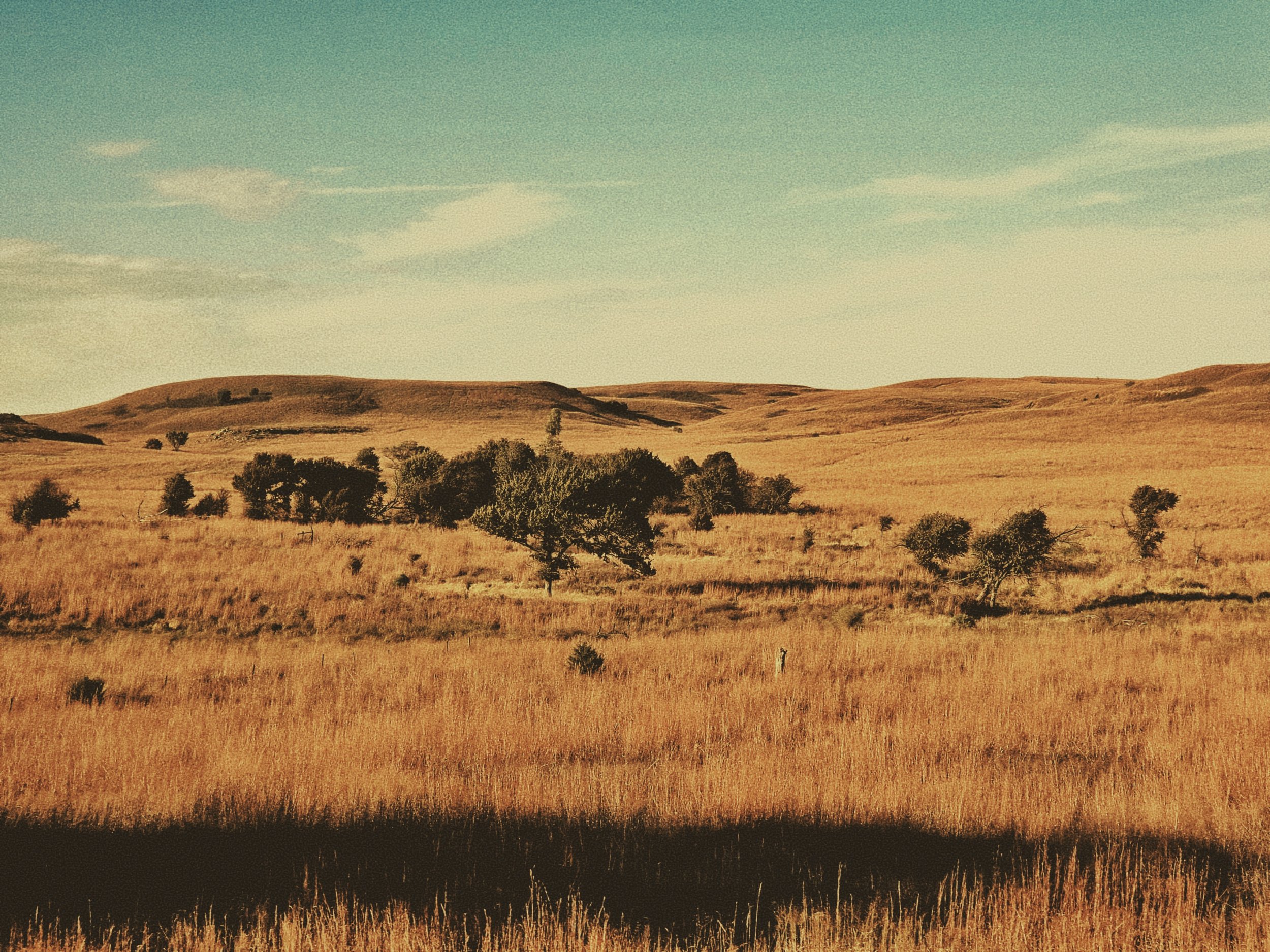
Photo by William Harkleroad
I have begun to think of individual life as something of a conservation project. So many of us, including myself, enter new situations believing we have an almost unlimited amount of time, energy, and emotion to spend. When something new and exciting appears in our lives, whether it is an opportunity, a relationship, or a place we have never been before, it can be difficult to imagine that the feelings we associate with it will eventually change. We become so caught up in what something could become that we forget to consider what it might take to sustain it. In some ways, we treat these experiences like cigarettes, going through pack after pack without thinking about what will happen when there is nothing left.
I think this is particularly true when we find something that gives us a strong sense of purpose. A new opportunity can quickly become the centre of our lives, especially when it feels like the beginning of something we have wanted for a long time. Relationships can suffer from something similar. We become accustomed to having someone in our lives, allow pride to take precedence over love and good faith, or avoid difficult conversations because we assume there will always be another opportunity to have them. Even discovering somewhere new can become exhausting when we expect the excitement of being somewhere unfamiliar to last forever. Eventually, the extraordinary becomes ordinary, and we are left wondering why something that once brought us so much happiness feels different.
I have experienced this cycle of excitement, attachment, and eventual burnout several times. Looking back, I think many of those experiences were connected by my tendency to become deeply invested in something before giving myself enough time to understand how I could sustain it. That is not to say that I believe people should approach life with extreme caution. There is something equally disappointing about growing old and realising that you spent so much time protecting yourself from difficult experiences that you never pursued the things you wanted. What I have begun to question is whether there is a way to experience those things without allowing them to consume so much of us that we eventually have nothing left to give.
When I first arrived in Australia, I had a very specific idea of what I wanted my future to look like. I wanted to become deeply involved in the Australian Labor Party, eventually obtain Australian citizenship, seek preselection, and perhaps one day serve as a member of parliament. It was an ambitious goal, especially for someone who had only recently arrived in the country, but it was not necessarily impossible. Not long after arriving, I attended my first induction meeting at a Five Guys across the street from the New South Wales Legislative Assembly building in Sydney. There was something slightly ironic about beginning what I hoped might become a political career in an American burger restaurant opposite the state parliament, but I remember how exciting it was to finally become involved in something I had admired from a distance.
From there, my involvement developed quickly. I attended dozens of events, knocked on doors, met members of parliament, volunteered, and gradually became more familiar with the political world of New South Wales. In 2025, I even attended the Young Labor Conference as a union delegate, which was an amazing experience and something I would not have imagined doing so soon after arriving. At the time, I saw all of this as positive. Every opportunity seemed to bring me closer to the future I had imagined, and I wanted to take advantage of everything available to me.
What I did not recognise was that I was gradually allowing Labor to become the defining feature of my life in Australia. My social life, ambitions, and much of my understanding of where I belonged became connected to the party. People around me warned me that I was becoming involved too quickly, but I did not yet have a clear understanding of what burnout would actually look like in my own circumstances. When challenges eventually appeared, they felt much larger than they otherwise might have because I had invested so much of myself in that one part of my life. I do not blame NSW Labor or the people I met through the party for that experience. Many of them were welcoming and generous with their time. The problem was that I had become so determined to pursue every possibility that I struggled to maintain the enthusiasm that had brought me there in the first place.
The second experience is considerably more difficult for me to write about because it involves a relationship and decisions that affected someone other than myself. Rather than being completely honest about how I was feeling, I allowed a relationship that meant an enormous amount to me to slowly dissolve. I spent months thinking about what I wanted, but I did not give the other person the same opportunity to understand what I was experiencing. Instead, I convinced myself that allowing things to end was somehow best for both of us, while quietly recognising how selfish it was to make that decision without being fully honest.
One of the things I struggle with most is the difference between how we experienced some of our final moments together. I was carrying thoughts about the possibility of an ending, which meant that ordinary experiences could take on a particular significance for me. A conversation, a goodbye, or a moment spent together could feel like something I needed to remember because I knew it might not happen again. For the other person, those same moments may have seemed like ordinary extensions of the relationship we already had. I had allowed myself to experience them with a sense of finality while denying the other person the knowledge that would have allowed them to understand what was happening.
It took me months, finding an old note in my drawer, and talking through the experience with my therapist to begin understanding what I had done. I realised that the problem was not simply whether the relationship should have ended, but that I had failed to approach something important with the honesty and care it deserved. Perhaps an honest conversation would still have led us to separate. I understand that relationships sometimes end even when two people care deeply about each other. But I also cannot ignore the possibility that we might have found another way forward. I will never know whether that was possible because I did not give us the opportunity to find out together.
That uncertainty is one of the most difficult parts of the experience. I regret how I treated someone I loved, but I also grieve the possibility of a future that might still have been possible. I often wish I could return to a particular moment and become the William I was then, carrying the understanding I have now. I wish I had been honest about my confusion and trusted that the other person might have responded with understanding, even if what I had to say was difficult. I wish I had recognised that a difficult conversation was not necessarily the end of something. It might have been the beginning of a different and more honest understanding of what we meant to each other.
I recognise that this is different from the burnout I experienced in politics. A relationship is not a resource to be consumed, and another person is certainly not something we own or are entitled to keep. But I think there is still a connection to the broader idea of conservation. Relationships require attention, honesty, and a willingness to protect something meaningful even when doing so is uncomfortable. I did not approach that responsibility in the way I should have, and by the time I fully understood what I had done, the opportunity to handle those moments differently had already passed by about five months.
My third experience began when I returned to the United States. By that point, I was exhausted by much of what had happened in Australia, but I was also excited about becoming involved in politics back home in Kansas. I quickly became involved with the Kansas Young Democrats, attending events, meeting people, and dedicating much of my time to political work throughout the summer. What I did not immediately recognise was that I was approaching the opportunity with many of the same habits that had contributed to my exhaustion in Australia. Instead of giving myself time to settle back into life in Kansas, I became involved almost immediately, treating every opportunity as though failing to participate would mean losing the chance forever. I genuinely enjoyed much of the experience, but I was also repeating a pattern that should have been familiar. By the time the primary election was over, I felt as though I had spent most of the enthusiasm that had motivated me at the beginning of the summer. Now, in October, I find myself questioning what I actually want to do next, even considering studying in New Zealand or returning to Australia.
What makes these experiences confusing is that I do not believe my original enthusiasm was dishonest. I genuinely cared about becoming involved in Labor, just as I cared about becoming involved with the Young Democrats. Those feelings were real, even if my understanding of them changed or my decisions eventually caused things to unfold differently than I had hoped. Something can mean an enormous amount to us at one point in our lives and still become something we struggle to sustain. The fact that our feelings change does not necessarily mean that what we felt before was any less genuine.
I have begun to wonder how much of my exhaustion comes from the expectations I place on new experiences. When I arrived in Australia, I was already imagining citizenship and a political career. When I returned to Kansas, I was thinking about how much I could accomplish before I had even settled back into everyday life. In both cases, I became so focused on the possibilities ahead of me that I sometimes struggled to appreciate what was happening around me. I think something similar happened in my relationship, although in a different and more painful way. I became so caught up in my own understanding of what the future should look like that I failed to give proper consideration to the person who would also be affected by that future.
I do not want to become someone who is afraid of becoming attached to things. I still want to travel, become involved in politics, meet people, fall in love, and pursue opportunities that might completely change the direction of my life. But I no longer want to assume that enthusiasm alone is enough to sustain something important. Caring deeply about an opportunity or another person does not automatically mean that we are treating them with the attention and consideration they deserve.
Perhaps that is what I mean when I describe life as a conservation project. I do not think we can preserve every relationship, maintain every ambition, or prevent the excitement of something new from eventually becoming familiar. Change is unavoidable, and sometimes the things we care about most will end regardless of how carefully we approach them. But I do think we have some responsibility to recognise the limits of our own energy, to be honest with the people whose lives are connected to ours, and to appreciate meaningful experiences while we still have them.
About the author
William Harkleroad is the writer and founder of WillNation, an independent journal covering politics, history, geography, culture, travel, and personal reflection.
